きこえる人ときこえない人をエンターテイメントでつなぐ手話エンターテイメント発信団oioi Osaka’s oioi group is building connections between hearing and non-hearing people
This is my translation of a story that originally appeared in The Big Issue Japan Issue 419.
I translated it as a volunteer so that it could be published in other International Network of Street Papers publications.
The original Japanese is on the left, and my translation is on the right.
Here’s a Happy New Year 2022 message from them.
🎍あけましておめでとうございます🎍
— 手話エンターテイメント発信団oioi (@oioisign) December 31, 2021
2022年もoioiをどうぞよろしくお願いいたします!#oioi #oioi手話 #手話 #手話パフォーマンス #新年の挨拶 #寅年 pic.twitter.com/SNnSgDI0x0
Here is their parody video of Terminator 2 with English subtitles.
An excerpt from this article was republished in The Big Issue (UK) Issue 1496 p. 18.
| きこえる人ときこえない人をエンターテイメントでつなぐ 手話エンターテイメント発信団oioi | Osaka’s oioi group is building connections between hearing and non-hearing people |
| 笑いたっぷりのパフォーマンスで “きこえる人”と“きこえない人” がともに楽しめる場をつくり出そうと活動している「手話エンターテイメント発信団oioi」。コロナ禍で開始したオンライン手話講座も好評だ。その活動内容や活動に込めた思いを聞いた。 | The oioi sign language entertainment group crafts performances full of laughter while working to create a space where both hearing people and non-hearing people can have fun together. And it goes beyond fun: the group’s online sign language classes, which they started early in the pandemic, are also very popular. The Big Issue Japan asked oioi about what they do and what the thinking is behind it. |
| 「〝風〟は手話ではこう表現します。さあ、ご一緒に」と、開いた両手を右上から左下に振り下ろす。時にはロックスターふう、時には着ぐるみを着るなど、メンバーたちが笑いを交えながらステージ上で披露する手話を見て、こちらも思わず大きなリアクションで手を動かしてしまう。そしてその体験とともに、その手話表現を自然と覚えてしまう──。 | “This is how you express ‘wind’ in sign language. Okay? All together now!” The members of oioi, most of whom are in their 20s and 30s, then swing both hands from the upper right to the lower left. The group members laugh as they teach the audience. I respond without realizing it, reacting to their gestures, and moving my own hands. When you learn it like that, you naturally remember sign language expressions. |
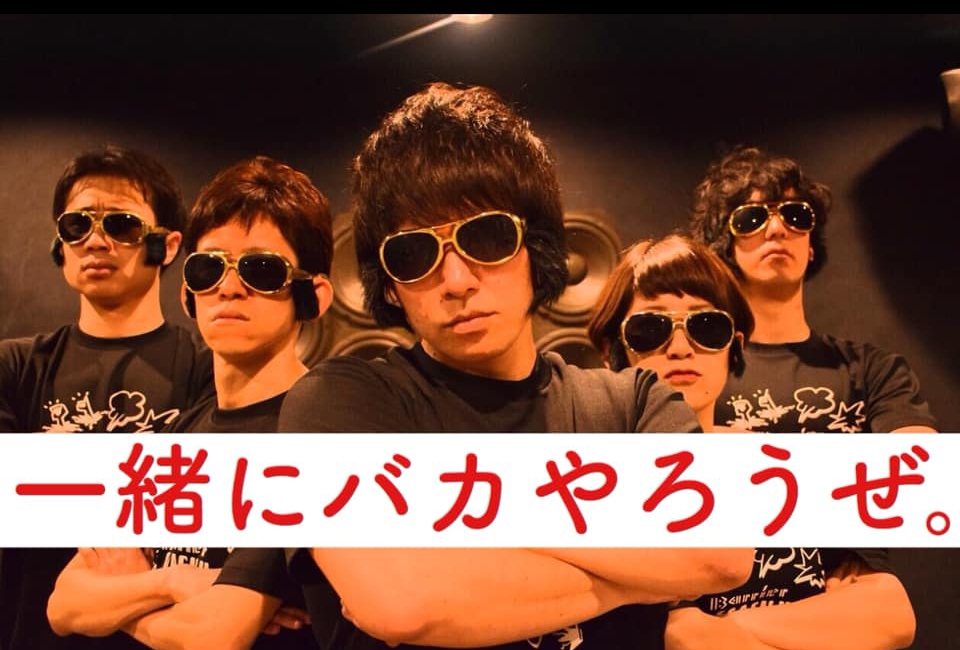
| 2005年に設立された「手話エンターテイメント発信団oioi(オイオイ)」は、コントやライブ、体操などを通して手話によるコミュニケーションを広げていこうと、大阪を拠点に活動を続けている。「きこえる人ときこえない人の間にある心のバリア(障壁)をエンターテイメントの力で壊し、話す機会を増やして気軽に笑い合える雰囲気をつくりたいんです」と代表理事の岡﨑伸彦さんは話す。メンバーは20代~30代の社会人を中心に約30人。〝きこえる人〟が3分の2、〝きこえない人〟が3分の1の割合だという。 | The sign language entertainment group known as oioi was founded in 2005, and it performs skits, shows, and gymnastics with the aim of promoting communication using sign language from its base in Osaka. Its spokesperson Okazaki Nobuhiko says, “We want to break down barriers between those who can hear and those who can’t through entertainment. We want to expand opportunities for them to talk, and to create an environment where everyone can laugh and have fun together”. There are around 30 members, most of whom are working adults in their 20s and 30s. Two-thirds are hearing, and one-third are not hearing. |
| 設立のきっかけは17年前。聴覚障害のある学生が大学に手話サークルがないことを残念がっていたため、共通の友人らが他大学の手話サークルの学生など幅広く参加者を募って、手話パフォーマンスを披露し合うイベントを企画した。聴覚障害のある岡﨑さんもそのイベントに参加した一人だ。 | The impetus for its founding occurred 17 years ago. A student with a hearing impairment was disappointed that there was no sign language club at their university, so they gathered together mutual friends, students in sign language clubs at other universities, and others far and wide, and put on a sign language performance event. Okazaki, who has a hearing impairment, was one of the participants in that event. |
| 「きこえる人もきこえない人も、手話ができる人もできない人もいましたが、表情やボディランゲージを工夫しながらの歌やコントでみんなが楽しめたんです。こういうスタイルなら、楽しく手話を覚えられそう、手話に興味をもってもらえそうという声があがり、手話を〝エンターテイメント〟という切り口から発信していこうというコンセプトのoioiが立ち上がりました」 | “There were hearing people, non-hearing people, and people who could speak sign language and those who couldn’t,” Okazaki tells me. “But everyone had fun with the songs and skits, figuring out facial expressions and body language. Some people were saying, ‘If it was taught in this style, then people could have fun learning sign language, and we could get people interested in it’. Oioi’s founding concept was to create a new perspective of sign language as a vehicle for entertainment.” |
| 入団8年目の石田竜士さんは、耳がきこえる人だ。大学の授業で手話に触れ、興味を持った。「卒業後も独学で手話を学びながら手話パフォーマーを目指していました。oioiのことを知って見学へ行ったところ、耳のきこえるメンバーときこえないメンバーが、遠慮なく意見をぶつけあっていて驚いたんです。聴覚障害者が日常で感じている困難もしっかりと共有し合いながら、冗談も言い合っている。それがカッコいいなあと感じてそのまま入団しました」 | Ishida Ryuzi has been a member for eight years and is hearing. He came into contact with sign language in a university class and got interested in it. “After I graduated, I studied sign language on my own and wanted to be a sign language performer,” he says. “I found out about oioi and when I went to see what it was all about, I was surprised to see the hearing and non-hearing members freely knocking ideas about. They were also sharing the difficulties that hearing-impaired people face in their daily lives and telling jokes. I thought that was cool, so I joined right then.” |
| コントで伝わりやすいこともある 手話表現300で基本会話可能 | Communicating simply through skits |
| 右耳が重度、左耳が中度難聴の中川綾二さんとoioiとの出会いは12年前。生まれながらに耳がきこえにくかったが、「手話はもっと重度の人が使うものだと考えていたので、ずっと避けていたんです。でも周囲とコミュニケーションの壁を感じていたこともあり、大学で手話サークルの見学に行くと、たまたまそこにoioiの先輩がいて。僕があまりにもおとなしくて暗い雰囲気だったので先輩がoioiに連れていってくれたんです」 | Nakagawa Ryoji, who is severely hard of hearing in his right ear and moderately so in his left ear, came across oioi 12 years ago. He has been hard of hearing since birth. “I thought that sign language was for people with even worse hearing, so I had always avoided it,” he admits. “But I felt there were obstacles to communicating with those around me. When I went to check out a sign language club in college, just by chance someone there was in oioi. I was quiet and depressed at the time, so they took me along to oioi.” |
| そして、いつの間にかoioiの活動にも参加、お客さんの前でパフォーマンスをすることに。「耳がきこえないことをコントに盛り込むことに最初は抵抗を感じていました。でも、〝手話に興味を持てたよ、コントを通すと伝わりやすい〟とお客さんから言われた時に、こういうかたちも一つの発信方法なのかなと納得できたんです。僕は自身の障害を認めたくない気持ちがずっとあったんですが、初めて自分に自信がもてて、自分はここにいていいんだという気持ちになれました」 | In no time he was getting involved with oioi and performing in front of audiences. “At first, I felt reluctant to include my hearing loss in a skit,” he says. “But when audience members said, ‘You made me interested in sign language; it’s easy to understand in a skit’, I understood that this was another way to tell people about it. For the longest time, I didn't want to accept my own disabilities, but I gained confidence in myself for the first time, and I came to feel that it was okay for me to be here. |
| 「きこえる人も手話があったほうが絶対にコミュニケーションの幅が広がると思うんです」と言うのは石田さん。「コロナ禍でマスク着用が当たり前になった上に、お店のレジ前にはアクリル板があって、誰にとってもきこえにくい状況になりました。僕はカフェで働いているのですが、お客さんのオーダーがMかLかとてもきき取りにくいことがあります。でも、たとえば手振りで表現してくれるとわかりやすいんです」 | “I think if hearing people can do sign language, then their range of communication expands,” Ishida says. “During the coronavirus pandemic, on top of mask-wearing becoming commonplace, there are acrylic plates in front of checkout counters at stores. It’s hard for everyone to hear now. I work at a cafe, and it’s sometimes very hard to hear whether the customers want a medium or a large. But, for example, if they were to use a hand gesture it’d be easy to understand.” |
| 岡﨑さんも「手話は視覚的な言語なので、離れていても、声を出してはいけない環境の中でも、会話ができるからとても便利。世界共通ではないけれど、ボディランゲージの一つなので海外の方ともコミュニケーションを取りやすい。英語は102万語、手話は1万語と言われていますから、手話表現を300個覚えたら基本的なことは結構しゃべれます。僕らがやりたいのは、手話のイメージを変えること。英語と同じぐらい、自分にとってプラスになるコミュニケーション手段なんだということを伝えていきたい」と話す。 | “Sign language is a visual language, so even if you’re far away, or you can’t talk, you can have a conversation, so it’s very convenient,” the group’s spokesperson, Okazaki, says. “It’s not the same across the world, but it’s a form of body language so it’s easy to talk with people from abroad. It’s said that English has 1,020,000 words and sign language 10,000: if you can remember 300 sign language expressions, then you can talk about basic things pretty well. I want to change people’s impression of sign language. Similar to English, I want people to think of it as a beneficial communication tool.” |
| oioiのパフォーマーを経て現在は団体運営を任っている髙口春野さんはこう言う。「私は大学に入った時に、耳のきこえない友人がいて、その子と毎日コミュニケーションを取っていたら3ヵ月ぐらいで基本的なことは手話で話せるようになりました。手話って、実際にやってみたら意外と覚えやすいんです」 | Takaguchi Haruno started out as a performer and now manages the group. “When I entered college, I had a friend who couldn’t hear. I communicated with them every day, and after three months we could talk about basic things in sign language. If you try sign language, it’s actually really easy to learn.” |
| オーバーリアクションできこえない人は安心できる | The importance of physical responses in communication |
| 昨年からのコロナ禍で公演や講演のキャンセルが相次いだ。そこで以前から検討していた「オンライン手話講座」を開講することになったが、なんと毎回満席になるほどの大盛況に。 | Last year saw oioi’s performances and public events being canceled one after another. The group had considered doing online sign language courses before, and the move online occasioned by the pandemic made it the perfect time to go ahead. The courses were so successful that they were fully booked every time. |
| この講座にも〝楽しく〟をキーワードに、笑いと動きをたっぷり取り入れているという。「もちろん真面目な講座なのですが、画面の前で参加者の方にもオーバーリアクションを取ってもらうよう呼び掛けています。また、講座を通じて、いろいろなことを知っていただきたく、笑いだけでなくリアルな聴覚障害者の情報も盛り込んでいます」と岡﨑さん。 | The keyword for these lectures is “fun”, so they incorporate a lot of laughter and physical movement. “Of course, it’s a serious lecture, but we also ask the participants sitting in front of their screens to overreact,” Okazaki says. “Also, in the lecture we want them to learn about various things, so aside from laughs we include real information about people with hearing difficulties.” |
| 「きこえない人は、相手のリアクションがないと、どういう反応なのかわかりません。このオンライン講座でも、参加者のリアクションがないと、きこえない講師はとまどいます。彼らの不安そうな顔や、きこえる講師がそれをフォローする様子を見ることで、参加者がリアクションの必要性に気づくことが増えます。だから、回を重ねるごとに、参加者のリアクションがどんどん大きくなってくるんです(笑)」と髙口さん。 | “For those who can’t hear, if the person they’re talking to does not react, then they can’t figure out what their response is,” Takaguchi explains. “In this online lecture, too, if the participants have no reaction, then the non-hearing instructors are confused. It’s by seeing their instructors’ uneasy faces and through the support of the hearing instructors that the participants come to understand the importance of reactions. So, with repetition, their reactions get bigger and bigger!” |
| コロナ禍がなければ、全国各地からのイベントや講演の依頼の数が多かった2020年は、設立以来もっとも忙しくなる予定だったという。「関心をもってくださる方が増えていることがとてもうれしい。来年は大阪・中津をベースに、まちぐるみで手話を発信していく企画も進めているので、さらに多くの人に手話に触れてもらえたらと思っています」 | Had the coronavirus pandemic not happened, 2020 would have been oioi’s busiest year since its founding, thanks to the many requests for events and classes. But thanks to the move online, oioi was still able to connect meaningfully with its audience and to continue to spread its message. “I’m very happy that more people are getting interested,” Okazaki grins. “Next year, from our base in Nakatsu, Osaka, we plan to spread the word about sign language all over town, and I hope even more people can come into contact with our work.” |
| 手話エンターテイメント発信団oioi | (Profile) Sign Language Entertainment Group oioi |
| 2005年、大阪で設立。きこえる人、きこえない人の間にある心のバリアを壊す「バリアクラッシュ」を活動理念に、手話コントや手話歌などのエンターテイメントと、聴覚障害に関する情報などを発信している。 | Founded 2005 in Osaka. Under the founding principle “Crashing through Barriers”, the group aims to break barriers between those who can and can’t hear through entertainment in the form of sign language skits and songs, and by sharing information about hearing impairments. |