

ふくしまから Fukushima’s forgotten disaster
This is my translation of a story that originally appeared in The Big Issue Japan Issue 415.
I translated it as a volunteer so that it could be published in other International Network of Street Papers publications.
The original Japanese is on the left, and my translation is on the right.
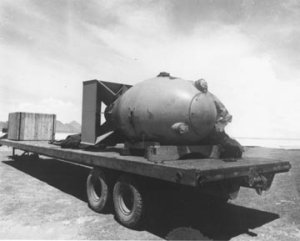
| 投下訓練で福島市に落とされた“模擬原爆” 原爆と原発、二つの「核の人災」伝える渡利地区 Japan’s forgotten disaster: The "pumpkin bomb" dropped for practice on Fukushima
|
アジア太平洋戦争の敗戦間際に、福島市に唯一落とされた爆弾があった。それは原爆の投下訓練弾「模擬原爆」で、渡利地区の水田で作業をしていた一人の少年が命を落とした。この地区は2011年の原発事故でも高い放射線を記録した。少年の姉、ミチさんに話を聞いた。
|
Just before Japan lost the Pacific War, Fukushima City had its only bomb dropped on it. It was the "pumpkin bomb" (an imitation atomic bomb) made for atomic bomb dropping practice. It took the life of a boy working in a paddy field in the Watari district. This district also recorded particularly high radiation in the 2011 nuclear power plant accident. The Big Issue Japan heard the boy's older sister Michi's story.
|
1945年7月、福島に爆弾 | 同所に原発事故の放射性物質も July 1945: A bomb in Fukushima. March 2011: At the same place, radioactive material from the nuclear power plant accident |
渡利地区は、福島県の県庁所在地、福島市の中心部から南東へ約4~6㎞のところにある。アパートや公務員の官舎などが建つ住宅街で、古くから暮らす多世代家庭や大きな古い農家、田畑や寺社もある、古さと新しさが同居する地域だ。
|
The Watari district is located about four to six kilometres southeast from the centre of the Fukushima Prefecture capital, Fukushima City. It is a residential area with apartments, official residences of civil servants, long-standing multi-generation homes, large, old farmhouses, farm fields, shrines, and temples, and is a region where old and new coexist.
|
しかし、東京電力福島第一原発事故の直後、その影響でここにも放射性物質が降り、放射線量が高くなった。県内外に避難する人、個人で放射能測定器を買う人、またボランティアが総出で除染作業をする保育所もあった。原発事故を「まるで第二の敗戦」と呼ぶ人もいる。
|
However, immediately following the Tokyo Electric Power Fukushima Daiichi nuclear accident [in March 2011], nuclear materials fell here, and radiation levels went up. Some people evacuated to inside and outside the prefecture, some bought Geiger counters, and volunteers came out in full force to decontaminate a nursery school. Some people call the nuclear accident "just like a second war defeat”.
|
筆者は、原爆と原発という二つの「核の人災」を結ぶ、福島での結節点の一つが、渡利地区なのではと考えて、ある取材を続けてきた。
|
I covered Watari because I thought it was the focal point in Fukushima connecting the two "man-made nuclear calamities”: atomic bombs and nuclear power.
|
1945年7月20日、米軍はこの渡利地区に、一発の大型爆弾を落とした。それにより水田で作業をしていた14歳の少年一人が亡くなった。アジア太平洋戦争中、福島市内中心部に唯一落とされたこの爆弾を、当時、人々は「大型爆弾」とか「500キロ爆弾」と呼んだが、のちに研究者により、長崎に投下する原爆の投下訓練弾「模擬原爆」(パンプキン型爆弾)だったということがわかった。
|
On 20 July 1945, the American army dropped a large bomb on Watari. One 14-year-old boy working in a paddy field was killed. During the Pacific War, this bomb dropped in the centre of Fukushima was at the time called a "large bomb" or "500 kilogram bomb" by people. Later, researchers discovered it was the "pumpkin bomb" (an imitation nuclear bomb)* used to practice for dropping the Nagasaki nuclear bomb.
|
原発事故以降は、この「模擬原爆」は「原爆と原発」という核問題を考える意味からも地元の関心を集めている。
|
Following the nuclear power plant disaster, this "pumpkin bomb" has sparked local attention in terms of thinking about the nuclear issue of "atomic bombs and nuclear power”.
|
一瞬で奪われた少年の命 | 学校の窓ガラス、民家も破壊 In an instant, a boy's life was taken away
|
76年前、渡利に投下された模擬爆弾で亡くなった斎藤隆夫さんの姉ミチさん(94歳)に話を聞いた。
|
I heard Michi's story (94 years old), the older sister of the boy Saito Takao, killed 76 years ago by the pumpkin bomb dropped on Watari.
|
45年7月20日。その朝、渡利村(当時)の上空には薄い雨雲が広がり、小雨がパラついていた。いつもならミチさん(当時19歳)が水田の雑草取りに行くのだが、雨模様を気遣って弟の隆夫さんが「姉ちゃんは、家で麦落とし(麦の脱穀)してな。おら、行ってくんがら(行ってくるから)」と出かけていった。その姿に「気をつけなよ」とミチさんが声をかけた。
|
On that morning, the sky above Watari Village (at the time) had thin rain clouds, and it was lightly drizzling. Normally Michi (19 at the time) would go to the paddy to weed, but Takao, worried about the rain said, "Michi, how about you thresh oats at home. I'll see you later," and left. Michi said as he left: "Take care”.
|
それからしばらくしてのこと。突然、大きなドーンというものすごい衝撃音がした。その直後の爆風で、囲炉裏の脇で地下足袋を履いていたミチさんは2尺(約60㎝)ほど玄関戸の方へ吹き飛ばされた。「山さ、逃げろ!」。母の声で、家のすぐ前にある桑畑の向こう、山の斜面にある防空壕に向かって、全力で駆け上がった。後ろの方から、ヒューっと空を切る、ものすごい音がして、柿の木が倒れた。振り向くと、1000mぐらいの高さまで、真っ黒い黒煙が上がっていた。その黒煙の根元には、隆夫さんが作業をしている水田がある。父と母は一目散に丘を下り、水田に走った。父が隆夫さんを見つけて抱き上げると、すでに腹が爆弾で切り裂かれ、内臓が飛び出た状態で亡くなっていた。
|
Some time after that, she heard a huge explosion. In the shock wave following, Michi, by the sunken hearth and with her work shoes off, was blown away about 60 centimetres to the front door. "Run to the mountain!" At her mother's voice she headed towards the air raid shelter on the slope of the mountain, on the other side of the mulberry field right next to their house, and ran up the hill with all her strength. From behind her, there was a terrific whizzing sound that flew through the air, and a persimmon tree fell. When she looked over her shoulder, black smoke had risen to a height of about 1000 metres. At the base of that black smoke was the paddy Takao had been working in. Her father and mother ran down the hill at full speed and ran to the paddy. When her father had found Takao and lifted him up in his arms, his abdomen had been split open by the bomb, and he had died with his organs popping out.
|
きょうだいの中でも一番仲の良かった隆夫さんの死。悲しい気持ちのまま、翌朝、ミチさんは現場の水田に行ってみた。すると、すり鉢状にえぐれて穴が開いて、下からコンコンと水が湧き、沼のようになっていったという。近くの渡利小学校の窓ガラスはほとんど割れ、周囲の家も破壊された。ミチさんの家の屋根も吹き飛び、ミチさん自身も爆風で耳がやられて、今も聞こえにくいままだ。
|
In a state of misery, the next morning, Michi went to the paddy. When she did, there was a mortar-shaped hole. Water was gushing up from below, and it had become like a pond. Most of the windows of the nearby Watari Elementary School had been broken, and houses in the vicinity had been destroyed. The roof of Michi's house had been blown off, and her ears suffered damage, so she is hard of hearing even now.
|
その2、3日後、畑仕事中の父が、お椀を伏せたような形で埋まっている固い物を見つけた。「何だろう……」とひっくり返そうとしたら、熱すぎて、持ち上げることができない。冷まそうと、一斗(18ℓ)桶2つ分の水をかけると、ジャーっと水がすぐ蒸発した。そして再び、桶2つ分の水をかけた。時間が経って冷めた頃、父は塊を家に持って帰った。量ると4貫750匁(約16㎏)で、見た目よりも重量がある。塊が落ちていた場所と爆弾が落ちた地点、倒された柿の木を点で結ぶと、あの爆弾の破片だとわかった。
|
In the following two or three days, her father, working in the fields, found something hard shaped like an overturned bowl buried in the ground. When he tried to turn it over, thinking, "What's this?" it was too hot, and he couldn't lift it. To cool it down, he poured two 18 litre buckets of water on it, but the water evaporated immediately with a hiss. He poured another two buckets of water on it. When enough time had passed and it had cooled down, he brought the lump home. It was weighed to be around 16 kilograms and was heavier than it looked. When they connected a line from where the lump had fallen to where the bomb was dropped, and to where the persimmon tree was, they realised it was a piece of the bomb.
|
「隆夫の仇だ」。父はそう言って、爆弾の破片を「こんちくしょう」と蹴って悔しさをぶつけていた。ある時、破片のギザギザになった部分が足の甲にザックリと刺さり、7針縫う大けがを負った。「父ちゃん、そんなに憎けりゃ、売って、酒でも飲んだらいいべ」とミチさんは慰めを込めて言ってはみたが、父は隆夫さんへの思いと、命を奪われた悔しさから、手放すことができなかった。
|
"This is revenge for Takao," her father said, and sometimes kicked the bomb fragment with a "you bastard!" to vent his anger. Once, a jagged part of the fragment deeply stabbed the top of his foot, and he needed 7 stitches. Michi tried to comfort him by saying, "Dad, if you hate it that much, sell it and buy some drinks," but he couldn't give it up, with his love for Takao, and his frustration over it taking his life.
|
「そんなに捨てられないんじゃあ」と、母がその塊を漬物石の代わりに使ったが、「今度は漬物を取り出す時に、私や母ちゃんがギザギザしたところで、けがをすることがたびたびあって」。真っ赤な血と痛み、そして隆夫さんへの悼みが沸き上がる。結局、爆弾投下から10年ほどのちに「いつでもお経が聞こえるところに」と、地区内の瑞龍寺に納めた。
|
Her mother said, "We don't have to throw it away like that," and used it as a weight stone for pickling. But, "whenever my mother and I got out some pickled vegetables, we were often injured on the jagged part." Deep red blood, pain, and mourning for Takao all broke out. Ultimately, ten years after the bomb fell, they decided to put it "where you can always hear sutras," and made an offering to Zuiryuji Temple in Watari.
|
現在も瑞龍寺の納骨堂に、模擬原爆の小さな模型と、模擬原爆の解説パネルとともに納められている。ミチさんは言う。「私の代わりに弟は爆弾に殺されてしまった。優しくて、静かで、頭の良い弟だった。戦争はだめだ。ばかな人間がやることだ」
|
Even now, in Zuiryuji Temple's ossuary, along with the piece, there is a little model of a pumpkin bomb, and an explanatory panel. Michi says: "Instead of me, my little brother was killed by the bomb. He was gentle, quiet, and smart. War is bad. It's something stupid people do."
|
戦後に知ったあの爆弾の事実 | 原発事故で再び核の被害に遭う She found out the truth of the bomb after the war – and fell victim again after the nuclear power plant disaster
|
戦後、ミチさんは、あの爆弾が全国各地に投下された49発の模擬原爆のうちの1発だったことを記事などを通じて知った。そして11年、東日本大震災と原発事故が起きた。ミチさんの家の周りも放射線量が高くなって、道路の除染作業が行われた。
|
After the war, Michi found out through news articles that that bomb was one of 49 pumpkin bombs dropped all over the country. Then in 2011, the Great East Japan earthquake and nuclear disaster happened. Radiation levels became higher around Michi's house, and there was decontamination work done on the roads.
|
ミチさんは今も、夢の中で隆夫さんと話をする。「私の代わりに犠牲になったんだね」。すると隆夫さんはそれには答えず、こう言う。「姉ちゃん、この山は真っ白い山だから、危ないよ」。「白い山」とは、原発事故後に降った放射性物質のことか。それとも、農作物に放射性物質が取り込まれるのを防ぐために田畑にまかれた白いカリウム剤のことか。「いったい、何のことだろう」と考えたが、今はどっちでもいいような気がしている。死してなお、原発事故後の今への警告を、姉を心配する言葉で伝えてくれている、〝ありがたいメッセージ〟だと受け止めているからだ。
|
Michi still talks with Takao in her dreams. "You were sacrificed instead of me," she says. Takao didn't respond to that, but rather said this. "Michi, this mountain is pure white, so it's dangerous." The "pure white mountain," is that the radioactive material that came down after the nuclear disaster? Or is it the potassium spread on the fields to prevent crops from taking up radioactive material? She thought, "What is he talking about?" But now she feels it doesn't really matter. She accepts this warning after the nuclear disaster as "a message to be thankful for," as even in death, Takao's caring words for his older sister still come through.
|
ミチさんのお話を伺って、模擬原爆の「爆心地」付近を、元教師の菅野家弘さん(78歳)の案内で一緒に訪ねた。菅野さんは8月に開催された「ふくしま平和のための戦争展」の事務局長で、この問題にくわしい一人。現場を訪れてみると、そこには住宅が立ち並んでいた。わずかな空き地もあったが、爆弾跡の沼はもうなく、「渡利字沼ノ町」という地名が残っていた。(文と写真 藍原寛子)
|
After listening to Michi's story, Kanno Iehiro (78 years old), a retired teacher, showed me the area around "ground zero" of the pumpkin bomb. Mr. Kanno is the executive director of the ‘Fukushima War Exhibition for Peace’ that opened in August 2021, and is someone knowledgeable on this subject. When we visited the site, there were houses all in a row. There were a few empty lots, but the pond formed by the bomb was no longer there, and only the place name ‘Watari Aza Numano-machi’ (‘Pond Neighborhood’) remained.
|
あいはら・ひろこ | 福島県福島市生まれ。ジャーナリスト。被災地の現状の取材を中心に、国内外のニュース報道・取材・リサーチ・翻訳・編集などを行う。 Profile: Aihara Hiroko | Born in Fukishima City, Fukushima. Journalist. Focusing on covering conditions at disaster areas, she reports, covers, researches, translates and edits domestic and foreign news. |